Sport Science
The science of human capacity.
Across a lifetime
- 01
Early development
- 02
Childhood & adolescence
- 03
Performance development
- 04
Competitive sport
- 05
Adulthood
- 06
Healthy ageing
People follow different paths. Not every child will become an athlete, and that should never be the measure of success.
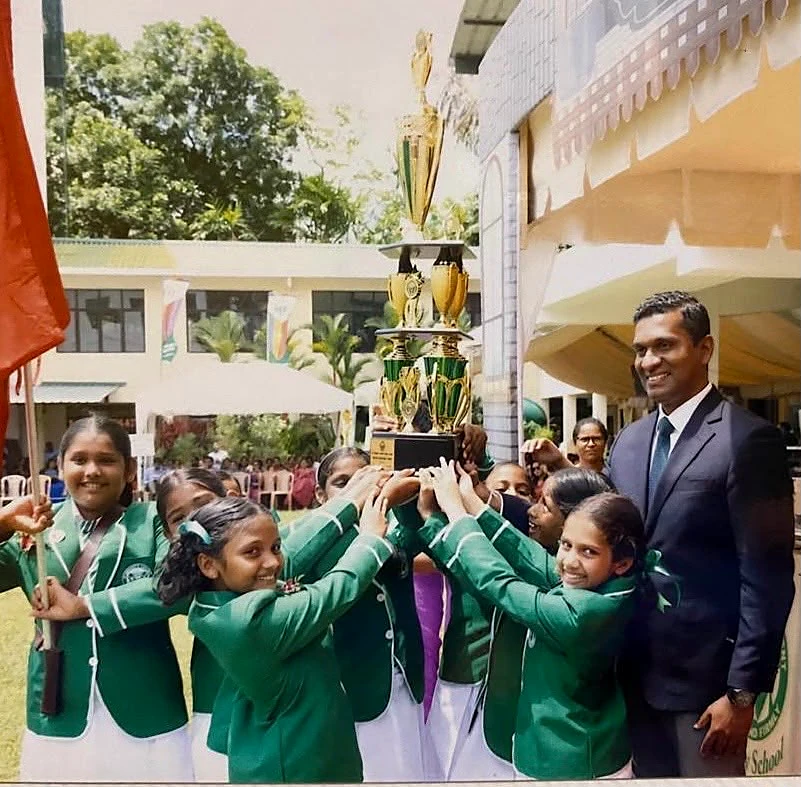
Professor Ranasinghe with schoolchildren outdoors
01 / Build
Healthy foundations.
- Early movement, growth and fundamental movement skills
- Balance, coordination, active play and physical literacy
- Nutrition, hydration, sleep and enjoyment of movement
- Recognising when further assessment may help
“Every great future begins with a healthy foundation.”
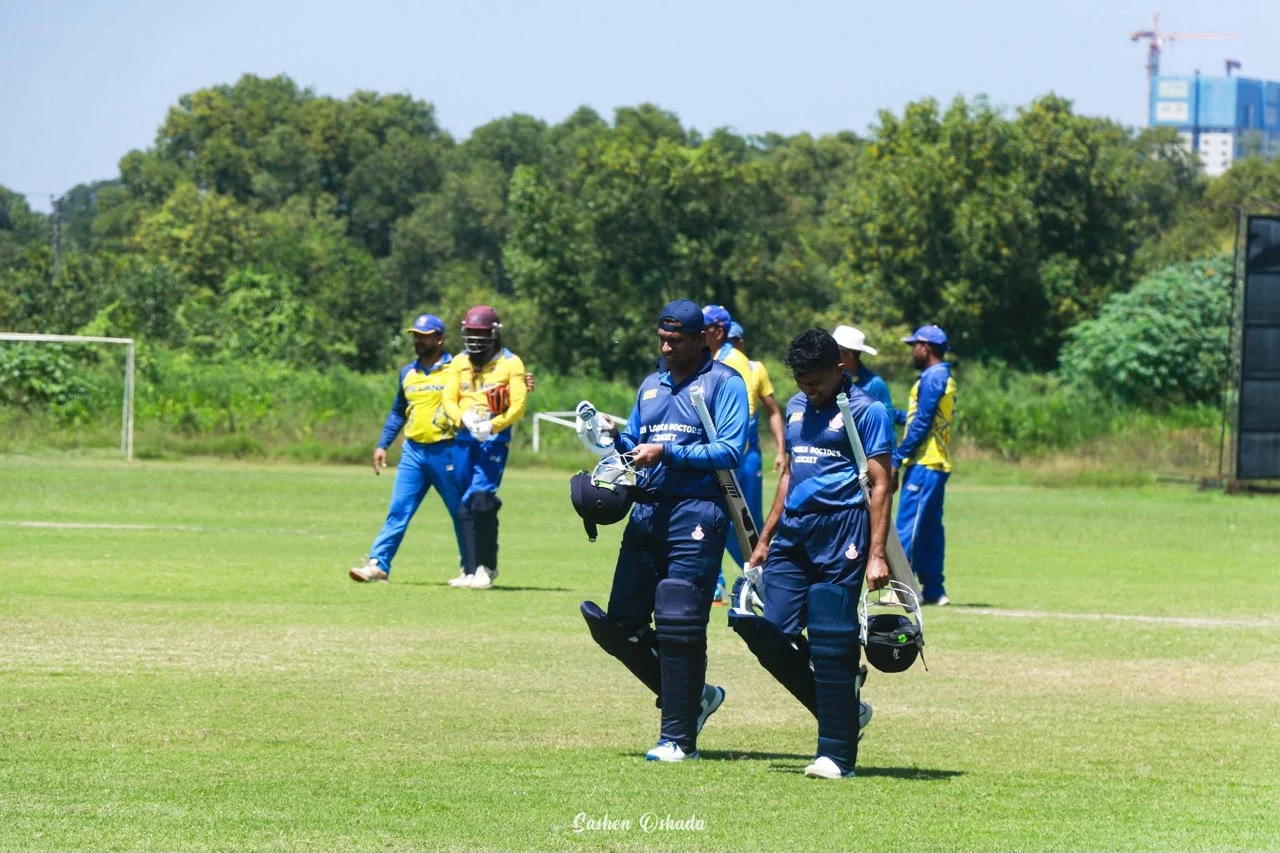
Cricket players walking across the field with bats and protective equipment
02 / Optimise
Potential, understood.
- Exercise testing and physiological assessment, including CPET
- Strength, power, endurance, speed, agility and mobility
- Movement quality, biomechanics and individual development
- Training load, recovery and psychological wellbeing
“Talent has potential. Science helps unlock it.”
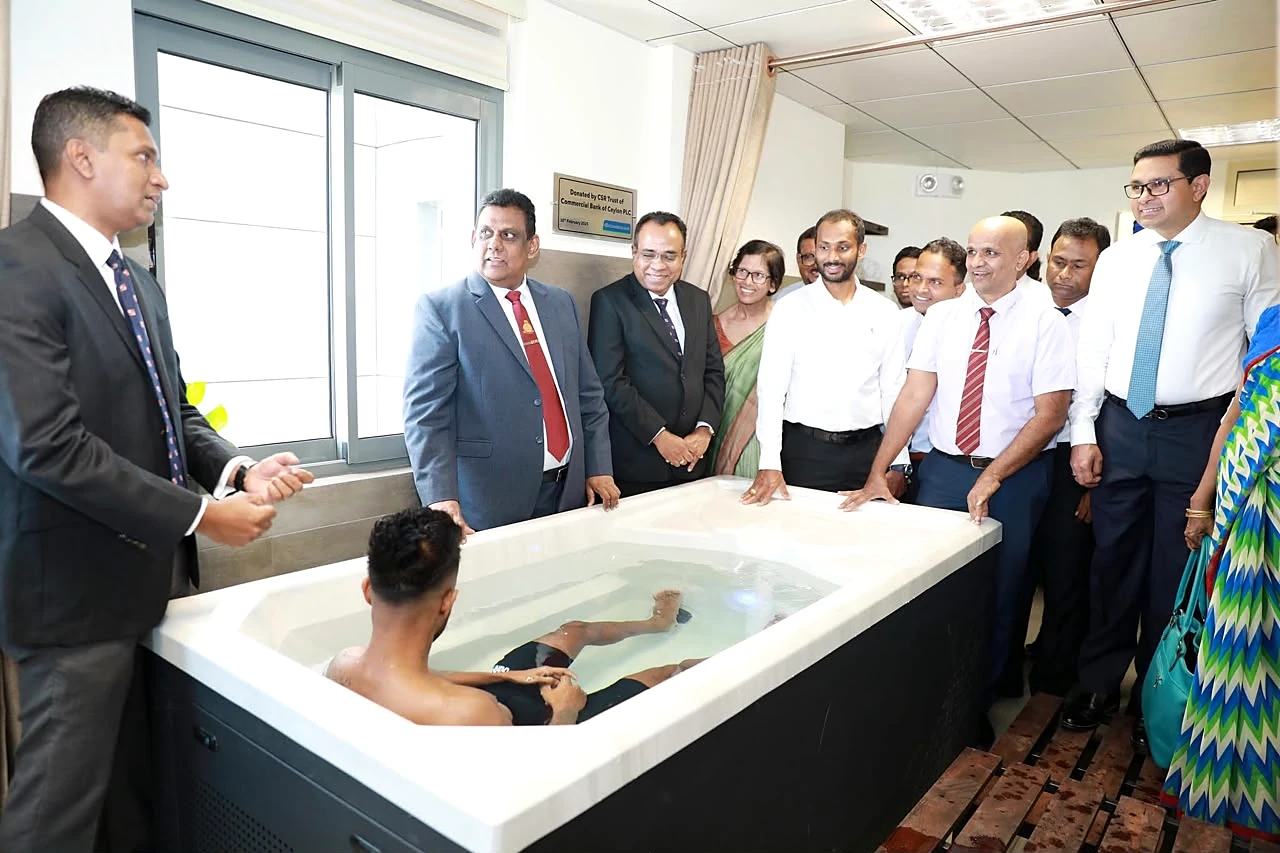
Professor Ranasinghe with colleagues at a hydrotherapy demonstration
03 / Restore
A considered return.
- Clinical assessment of injury and pain
- Rehabilitation principles and rebuilding function
- Biomechanical management of back pain
- Return-to-activity and return-to-sport assessment
“Recovery begins with understanding the person.”
Explore Exercise Medicine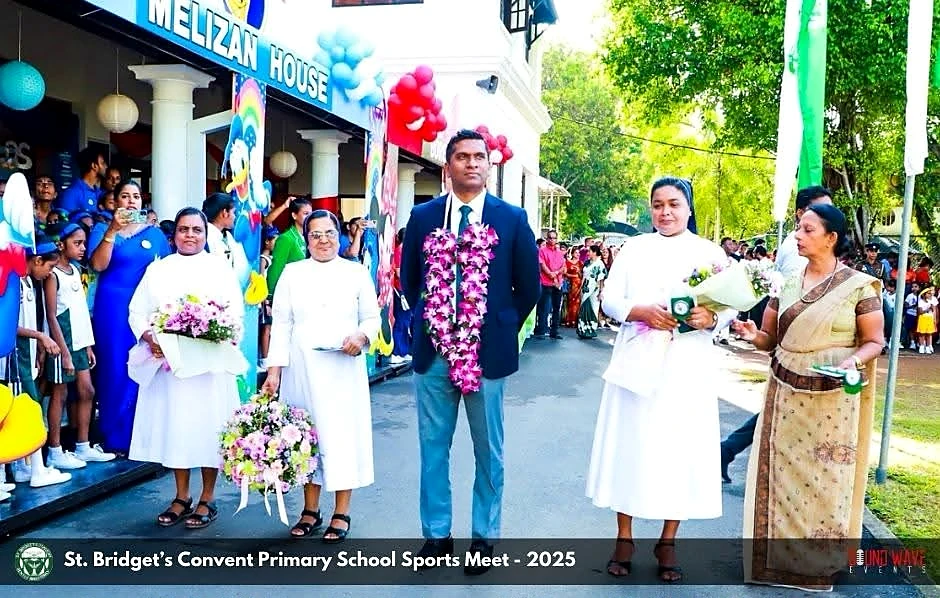
Professor Ranasinghe attending a primary school sports meet
04 / Sustain
Strength for life.
- Maintaining strength and mobility with age
- Exercise as part of long-term health
- Balance, confidence and functional independence
- Staying active in family and community life
“Don’t just live longer. Live stronger.”
The healthy human framework
Capacity is more than fitness.
Physical
Strength, endurance, coordination and mobility — capacity to move in everyday life and sport.
Find your path
Your Human Capacity Journey
Your child's physical capacity is built long before they choose a sport.
- 1
Build
Daily active play, coordination, sleep and good nutrition.
Aim for at least 60 minutes of movement a day and limit screen time.
- 2
Optimise
Try many sports before specialising.
Look for coaching that values development over early results.
- 3
Restore
Pain is a signal, not something to push through.
Get growing-body injuries assessed by a sport medicine specialist.
- 4
Sustain
Active families raise active adults.
Make movement a shared family habit, not a chore.
Age-by-age guide
Early years (0–5)
Floor play, crawling, running, climbing — movement is how the brain and body develop.
School age (6–12)
Many sports and skills: throwing, balance, swimming. Fun first, results later.
Teens (13–18)
Introduce structured strength training, monitor load and protect sleep.
The Human Capacity Podcast
Season 1 is in preparation — conversations on building human capacity at every stage of life.
Education & systems
Knowledge that builds capacity.
For families and individuals, schools and universities, sports clubs and academies, and national and international partners.
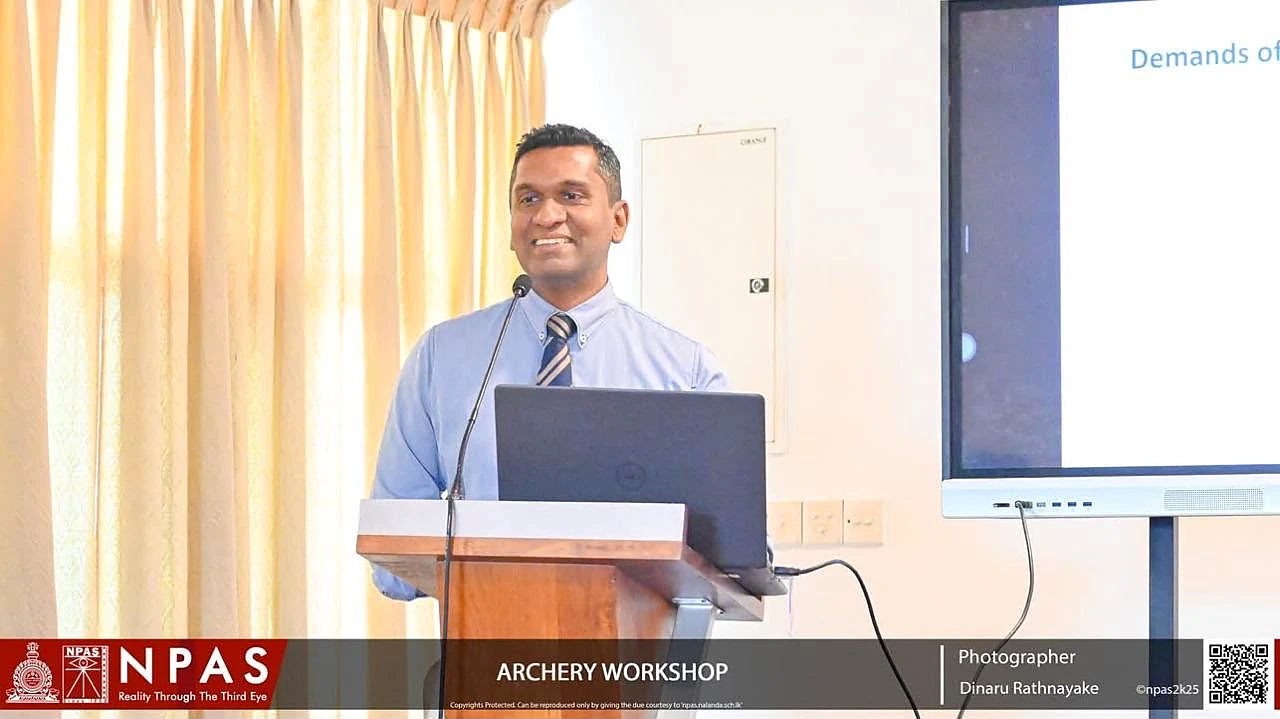
From the laboratory to the next generation.
The PG Diploma / MSc in Sports and Exercise Science at the Faculty of Medicine, University of Colombo was developed with QUT, Australia and Durham University, UK. The exercise physiology laboratory was established in collaboration with Durham University.
University profileLooking ahead · In development
The next chapter of human capacity.
In development
Human Capacity Age Map
In development
Ask the Professor
In development
Schools & Future Generations Programme
In development
Human Capacity Passport
Content on this page is educational and is not a substitute for individual medical advice. Outcomes vary between individuals.
Connect with Professor Ranasinghe
Let’s build something that matters.
For research collaborations, clinical enquiries, education and conversations about a healthier future.